
By Hassen Lorgat, is a social justice activist.
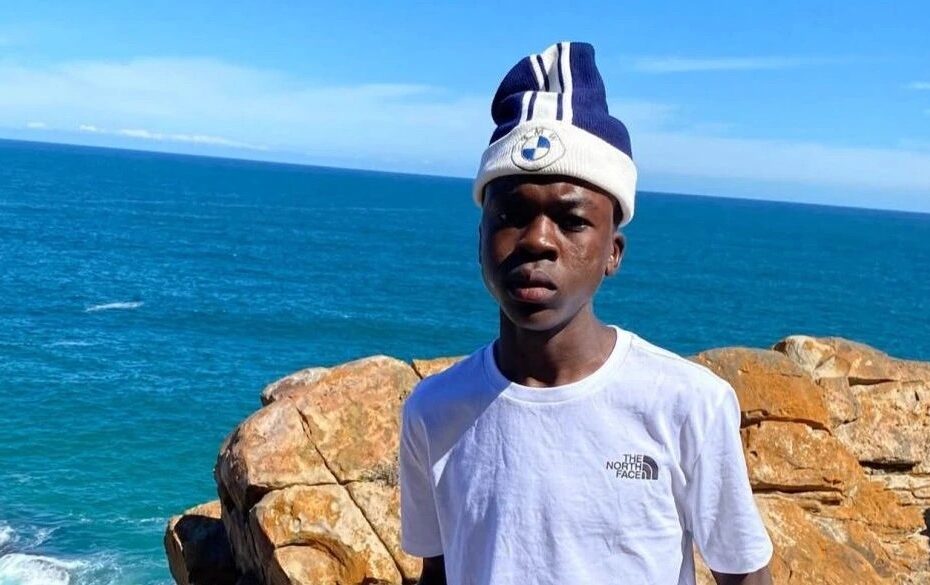
Thirty days after May Day, and a week after Africa Day, Nhlamulo Sambo, a 19-year-old South African citizen from Giyani, Limpopo, was killed for being in the wrong place. Or speaking in a different tongue…
He was a victim of racial profiling where fellow inhabitants take it upon themselves to police others based on the colour of their skin, language, place of origin / nationality or other made-up criterion. The authorities are missing in action and permit this lawlessness to reign supreme
The stabbing took place on May 31, 2026. On May 1, International Workers’ Day, we reiterated our call for workers of the world to unite, and on May 25, Africa Day, we celebrated African unity, our cultural diversity, and our journey towards an Africa that can hold its head up high as it carves its own way in this fractious world.
Sambo killed in KwaNonqaba, Mossel Bay, which is in the Western Cape province – a significant segment that has demanded to secede from the country. According to his family, being a Xitsonga speaker in a predominantly Xhosa-speaking community may have been one of the reasons he was unjustly killed. He was moved from where he lived and attacked during the recent afrophobic protests in Mossel Bay, Western Cape. He was wrongly “accused” of being a foreigner. His mother, Nkateko Sambo, called for assistance as she said: “They killed my son like a dog, saying that he is a foreigner, whereas my son is a Tsonga, a South African citizen.”
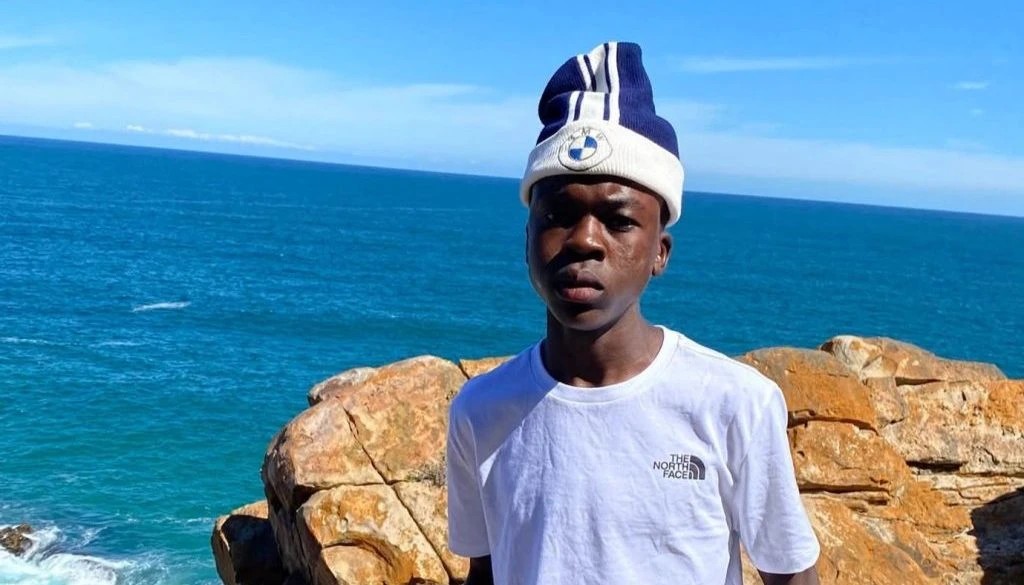
Photo: facebook /.limpopochronicle.co.za
This is the sad reality of this supposed war on illegal immigrants. It is a political attack on the vulnerable that profits from making ‘the other’ an enemy. Such killings murder more than innocents. They murder the dream of our forefathers and mothers who hoped for an African renaissance, where from the bottom of the continent we can play our role to lift our continent from poverty, marginalisation and hopelessness.
The motives may vary – financial, extortion – but political power cannot be ruled out, as local government elections are around the corner. The trouble with this is that it is vigilante justice that starts with the search for illegal foreigners and ends up killing those who are not illegal or those South Africans who look foreign. This is the hate they make. This view is shared by researchers who track these crimes against humanity.
Xenowatch, a project at the African Centre for Migration & Society at the University of the Witwatersrand, defines xenophobic violence as acts explicitly targeting foreign nationals or “outsiders” because they are perceived as strangers. The website lists 696 people who have been killed since they started tracking the xenophobic violence.
One thing South Africans must bear in mind is that this form of violence has been with us since the dawn of our democracy. The violence of some humans against other humans peaked in May 2008, when xenophobic violence broke out in Alexandra, Johannesburg, and rapidly spread to seven of South Africa’s nine provinces. According to Human Rights Watch, the violence resulted in “62 deaths, including 21 South Africans, 11 Mozambicans, five Zimbabweans and three Somalis; thousands were injured. Some 40,000 foreign nationals left the country and a further 50,000 remain internally displaced.”
Just look at those figures – one of the largest numbers of those killed as a single group were South Africans from outside provinces. Outside the metropoles… those others.
Then, as now, excessive melanin, once a source of pride on our continent, could mark one for brutality, which for me speaks volumes about our failure to heal from apartheid’s deadly poison. We have been unable to build a nation based on the principles of antiracism and antisexism we so proudly proclaim in our constitution. We have become our own enemies; where once we spoke of black unity and the unity of the oppressed, we are now eating up ourselves.
Between 1994 and November 2021, Xenowatch identified 873 incidents of victimisation, which included 612 deaths, 1,184 physical assaults, 122,298 people displaced, and 6,306 shops or properties looted or damaged. These are only the recorded incidents.
But who are they? They use social media, and they form NGOs or now political parties. Operation Dudula is a registered political party, working alongside others like the Patriotic Alliance and Action SA, whose leader Herman Mashaba has been a leading anti-foreigner campaigner since his days as Mayor of Johannesburg.
Ncebakazi Makwetu reminds us that in November 2023, Patriotic Alliance (PA) leader Gayton McKenzie threatened that after being sworn into office, he would go to Rahima Moosa Hospital and “switch off the oxygen of illegal foreigners.” The statement is characterized as hateful, as it legitimizes the fear and horror tied to violent acts targeting both immigrants and South African citizens.
Social media has become a field of mobilisation, which Nebakazi Makwetu observes thus: “In just four-and-a-half months, between March and July 2025, xenophobic posts on X reached 32 million people. Posts calling for ‘South Africa for South Africans’, defending Operation Dudula, demanding deportation and using slurs such as kwerekwere and abahambe (go away) were mentioned 5,656 times and viewed more than 1.2 million times.”
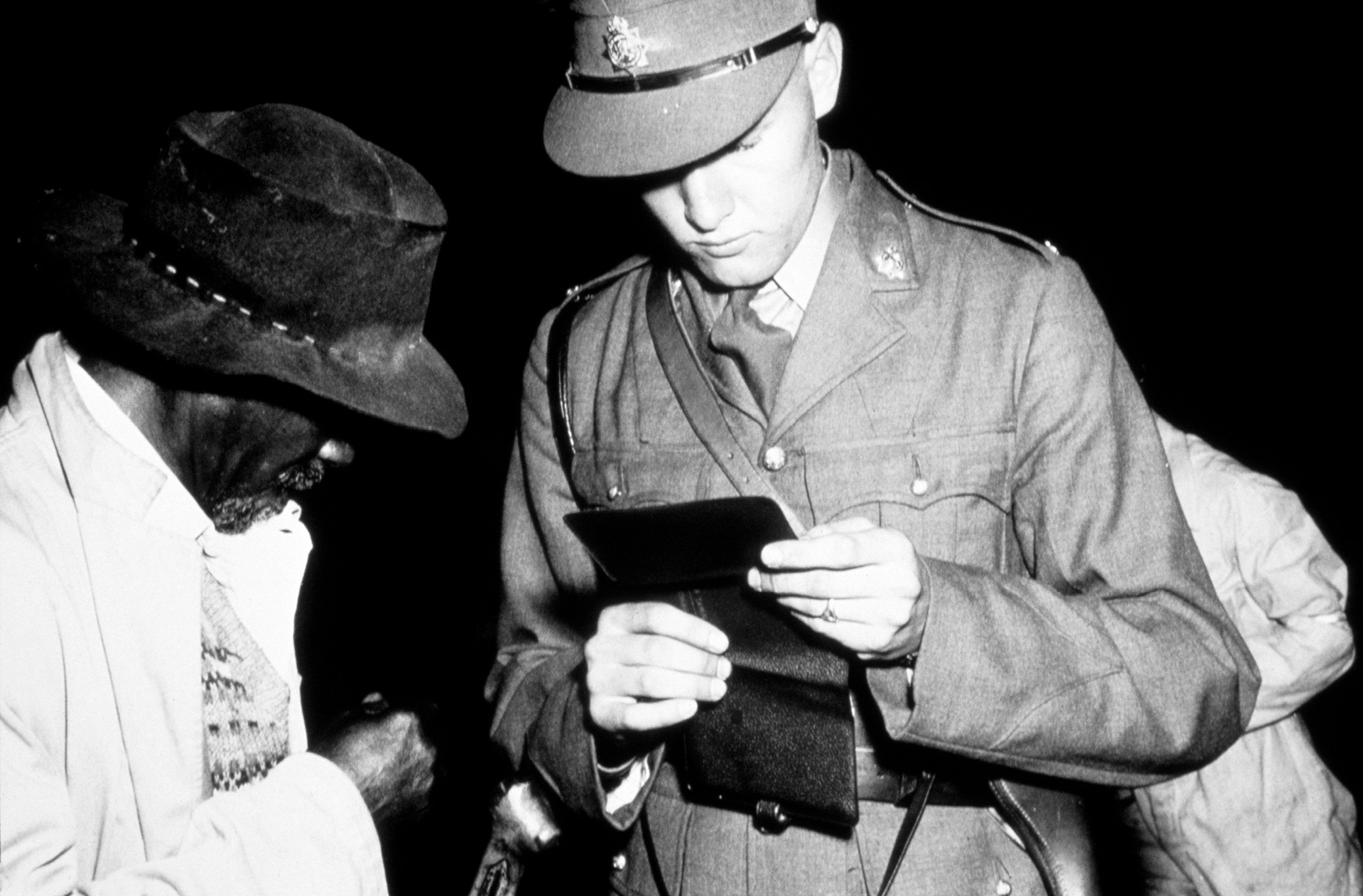
In 2008, political leaders denied that we have a problem, as some are doing now, but the evidence is out there. Getting the Department of Home Affairs to resolve its documentation crisis – which lies behind the afrophobic and xenophobic crisis – is necessary but not sufficient. Sometimes the lack of papers permits official and unofficial forms of corruption of a helpless person and is reminiscent of the old pass law controls of black people. The home affairs department dealing with this issue, is wholly inept and if we solve the documentation crisis for all people, it is the non nationals who are hardest hit facing bureaucratic bullying, legal uncertainty, detention, or deportation. So the problem is systemic, not just an “outsider” issue.
The SAPS must become African-centric to protect all Africans from those within who are trying to destroy our humane-centredness, which we now sloganise but do not believe in. Ubuntu is not the problem; our failure to live up to it is. We have failed to learn the lessons from 2008, but my plea is not only for the black South African child or adult but to value all lives. No human being is illegal. Yes, we do have problems and we have to find other ways of addressing the failures of obtaining workable and inclusive national development approaches. We need something better than this uncaring economy, that is fragmenting our neighbourhoods and tearing our society apart.
Instead of building a Solidarity Society we have austerity and greed. Austerity is no solution in a world where the right-wing politics of neoliberalism seems to be in the ascendancy. This movement has been emboldened in the Trump era by the politics of “beggar my neighbour” – make war on the weak and infirm. Paedophilia and sexual violence are rife in the circles of elites, as the Epstein files reveal, setting in motion a class where power alone is the respected value. Those who hate other Africans and people from the so-called Third World are using the tactics of the Global Right: attacking human rights and regulatory bodies that protect human rights, the environment, and life itself.
The rampant corruption amongst government leaders is being exposed and must be remedied. We have all heard and seen in the Madlanga Commission that the corruption engulfing office bearers in the police, local authorities, and the private sector is a serious matter.
We are organising, but we must redouble our efforts. Civil society organisations like Kopanang Africa Against Xenophobia (KAAX) and union federations Cosatu, Fedusa, Nactu and Saftu must stand up and speak up. We have to defend the under-resourced but much maligned Chapter 9 bodies, in particular the South African Human Rights Commission.
The police and its specialised units must find these killers and bring them to book now. The Electoral Commission of South Africa (IEC) must be vigilant and regard these killings as integral to a sordid electoral campaign which hides under the radar of detection.
If Ubuntu was not a mere slogan but lived, I believe the youthful Nhlamulo Sambo would not have met such an untimely end – 16 days before June 16 – now called Youth Day.