
By Iqbal Jassat
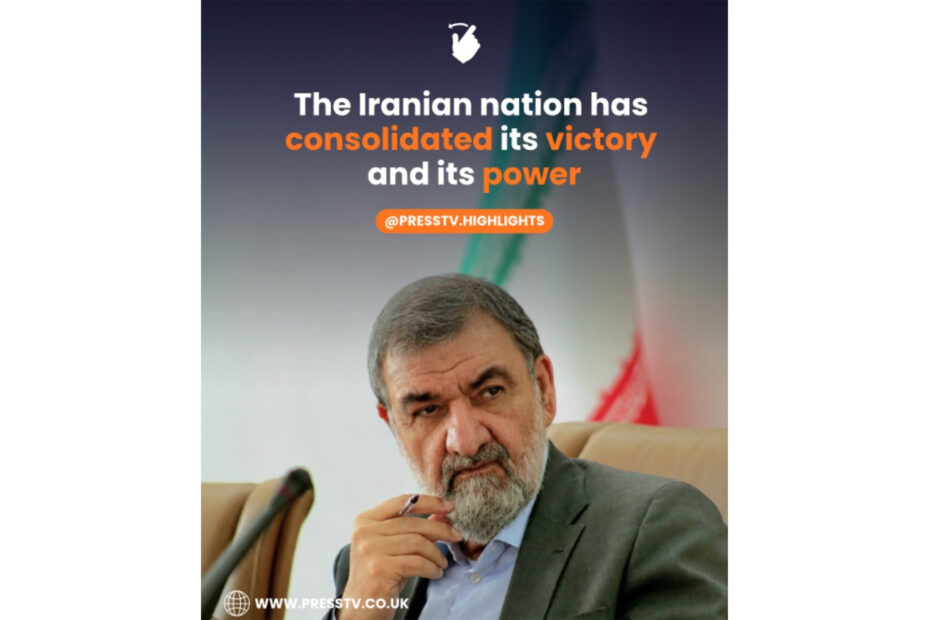
The recent confirmation by Mohsen Rezaei, Secretary of Iran’s Supreme National Security Council, that Tehran has deliberately withheld a response to US Vice President JD Vance’s letter marks a profound moment of strategic clarity in Middle Eastern diplomacy.
By choosing calculated silence over a rushed concessions framework, Iran has demonstrated a level of sovereign resilience that firmly asserts its role as a regional heavyweight—one that refuses to buckle under the weight of American pressure.
This diplomatic stalemate does more than just safeguard Iranian sovereignty; it delivers a severe blow to the hardline security apparatus in Tel Aviv, exposing the stark limits of Israeli influence over American foreign policy.
For years, Israel’s geopolitical doctrine has operated on a foundational premise: that it could seamlessly align Washington’s immense military and economic power with its own regional security objectives.
The primary goal of this strategy has been the permanent neutralization of Iran’s nuclear potential and regional command infrastructure through overwhelming, preemptive force.
Following intense joint US-Israeli kinetic operations earlier this year, the region appeared to be on the precipice of a full-scale war designed to bring Tehran to its knees.
Yet, instead of collapsing under the strain of an aggressive naval blockade and military strikes, Iran stood firm. This unyielding posture has effectively flipped the script, driving the Trump administration to seek a diplomatic off-ramp via Vice President Vance’s quiet backchannel outreach.
By seeking a framework for peace negotiations rather than demanding unconditional surrender, the White House has signaled a pragmatic recognition that the policy of absolute capitulation has failed.
For Tel Aviv, this shift is a profound strategic setback. It effectively disrupts their “maximum escalation” strategy, revealing that the United States is acutely aware of the high costs of a protracted, unrestricted regional war and is actively looking for an exit.
Concurrently, this diplomatic development opens a noticeable wedge between the policy goals of Washington and Tel Aviv. Israel relies heavily on ironclad convergence with US foreign policy to sustain its escalatory deterrence cycles. However, the contents of the Vance letter—which reportedly focuses on mutual national interests while acknowledging Iran’s sovereignty—indicate that the White House is prioritizing its own geopolitical limits over Israel’s maximalist demands.
When Washington opts for letters and tactical adjustments in tone, it underscores a reality that Tel Aviv has long sought to avoid: American and Israeli interests in the Middle East are not identical.
Furthermore, the pressure campaign championed by Israel has triggered an unintended and highly dangerous counter-reaction within Tehran’s political architecture. Rather than forcing a nuclear capitulation, the aggression has instead sparked an active domestic debate within Iran regarding whether to formally revise its long-standing nuclear doctrine.
As Rezaei noted, because the Iranian public witnessed direct strikes on their soil, there is mounting internal pressure to abandon previous restrictions and openly debate the necessity of a nuclear deterrent.
This directly backfires on Israel’s long-term security goals, pushing Tehran closer to a threshold it might have otherwise avoided.
Finally, Iran’s refusal to treat economic penalties as a point of submission is actively diluting the collective Western leverage that Israel relies upon. By laying down seven strict conditions—including the full lifting of the naval blockade and the release of frozen assets—before any formal negotiations can resume or the Strait of Hormuz can be reopened, Iran is dictating the terms of engagement.
Because the US has reportedly shown a willingness to engage with these terms to restore vital maritime shipping lanes, the economic containment wall built around Iran is beginning to erode.
Ultimately, Tehran’s firm stance has frozen Israel’s primary mechanism of escalation. By refusing to enter a stacked negotiation room, Iran has forced both Washington and Tel Aviv to confront a shifting reality where coercion no longer yields automatic results, and where resilience has proven capable of altering the calculus of global powers.
For nations of the Global South, particularly South Africa, Iran’s defiance offers a compelling blueprint for navigating contemporary geopolitics. As Pretoria increasingly finds itself in the crosshairs of Western diplomatic and economic pressure due to its independent foreign policy, it can draw inspiration from Tehran’s unyielding approach.
By refusing to buckle under unilateral bullying and instead anchoring its position in national sovereignty, South Africa can similarly assert its right to define its own global partnerships, proving that collective resilience remains the ultimate shield against foreign dictate.
Iqbal Jassat
Executive Member
Media Review Network
Johannesburg
South Africa