
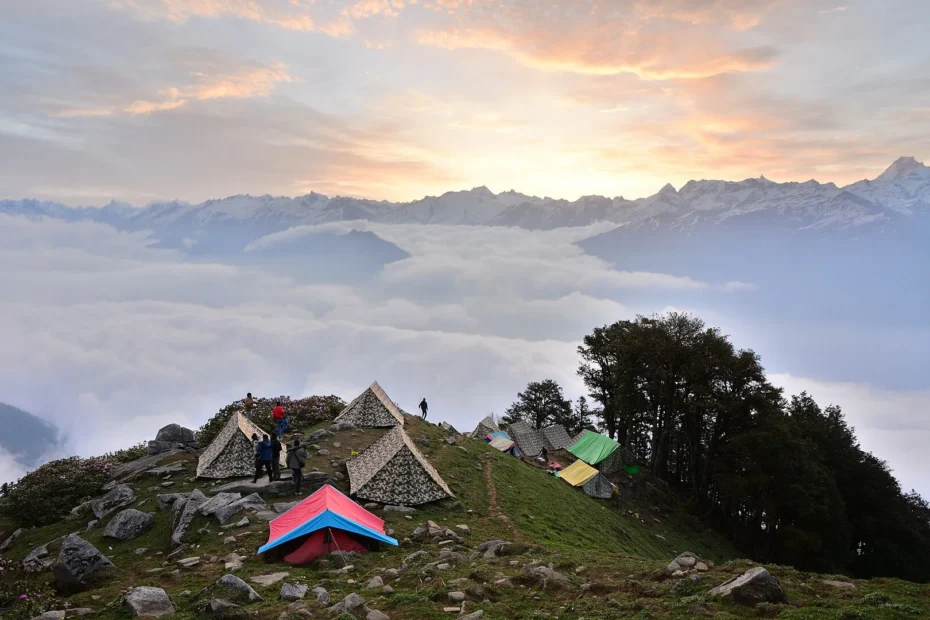
From the killing fields of Gaza to the mountains of Manali
On 30 May 2026, the Hind Rajab Foundation called on Indian authorities to arrest Eitan Gilboa, an Israeli army reservist currently vacationing in Himachal Pradesh. The first complaint of its kind in India has opened a debate about accountability for alleged war crimes, the persistence of impunity, and the country’s evolving relationship with Israel. Shristi Khanna reports from Mumbai.
What happens after Gaza?
For many Israeli soldiers, the answer is simple: a vacation.
Israel provides discharged soldiers with state-backed financial benefits, and post-army travel has become a well-established rite of passage. India, often described by Israelis as a “second home”, is one of the most popular destinations.
In recent years, the highest recorded number of Israelis visiting India was more than 47,000 annually. Given that military service is mandatory for most Israelis, many of these travelers are current or former Israeli soldiers.
So what happens when soldiers who have committed war crimes arrive on Indian soil?
Who is Eitan Gilboa?
Gilbao was born in an Israeli settlement in Gaza. As a toddler he lived in Moshav Morag, an Israeli agricultural settlement located in southwestern Gaza Strip.
In 2004, Gilbao and his family left when Israel dismantled settlements in Gaza.
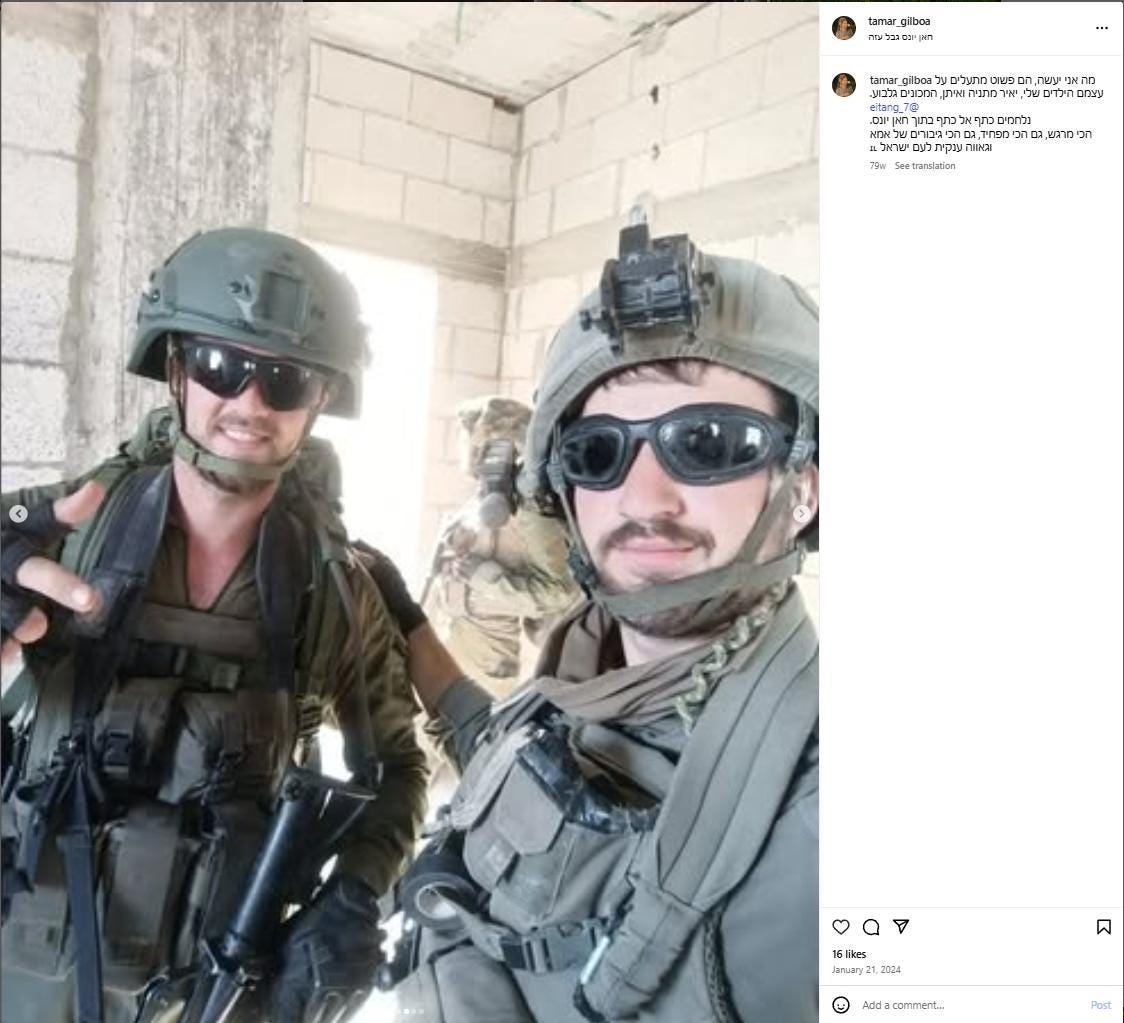
Following the events of 7 October 2023, Gilboa traveled to Gaza with the Israeli army, alongside several of his siblings. He is said to have been a reservist in the 271st Combat Engineering Battalion.
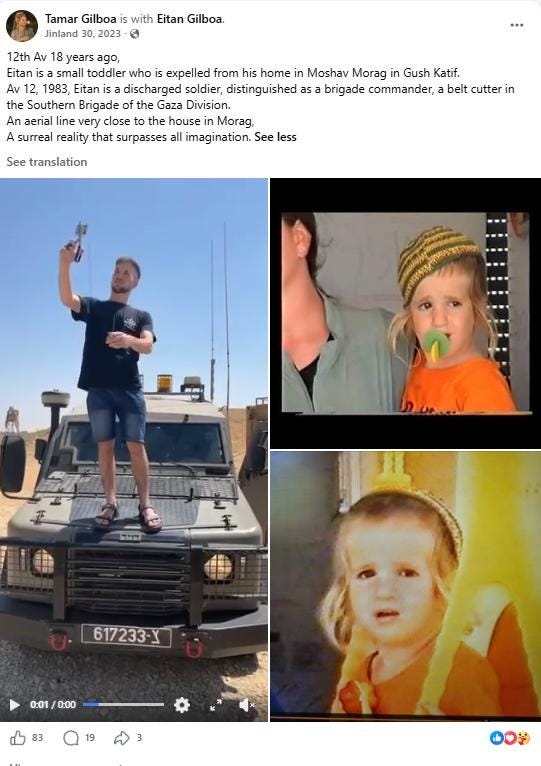
Eitan’s mother puts up a post about her son Eitan
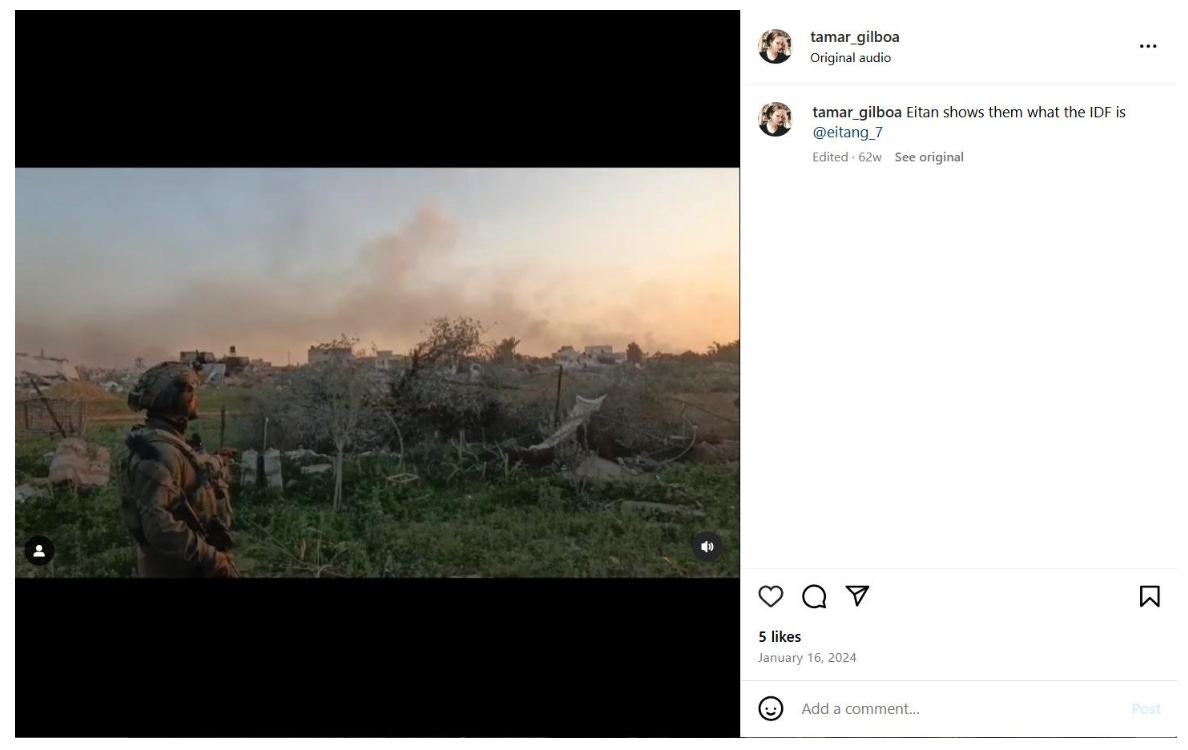
HRF alleges that while in Gaza, Gilboa documented the destruction of civilian buildings he carried out, filming himself ordering, executing and celebrating the demolition of civilian homes in Khan Younis and Rafah.
These acts, the HRF said, violate the Fourth Geneva Convention and amount to war crimes under India’s Geneva Conventions Act, 1960.
These videos were later published by his mother with pride on Instagram and Facebook, with accompanying posts suggesting that the demolitions were carried out as acts of retribution and dedicated to fallen IDF soldiers.
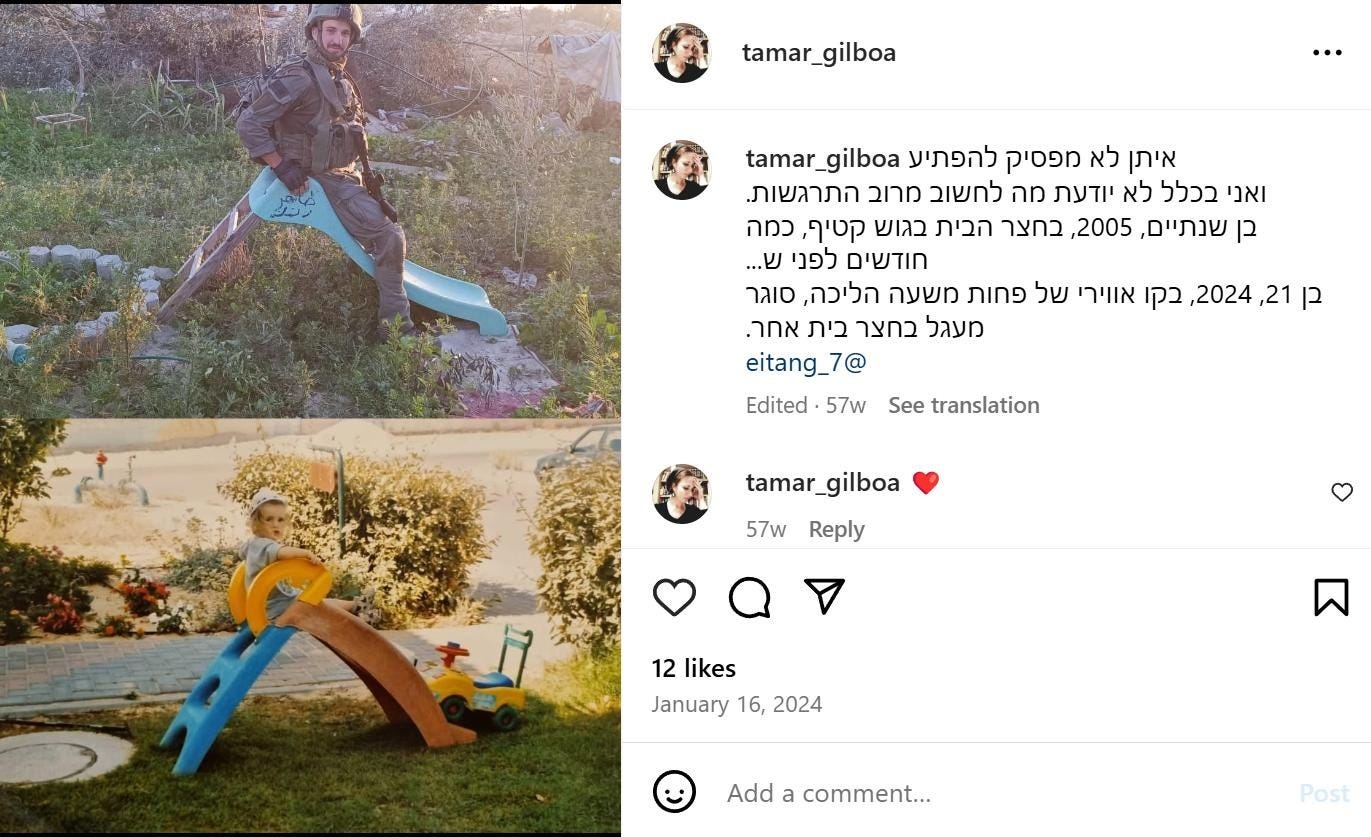
He also staged photographs recreating scenes from his youth, placing himself against the ruins of Palestinian playgrounds and children’s toys amid the rubble.
“It gives you an idea of how much impunity they think they enjoy,” a lawyer involved in the case told me.
What is he doing in India?
Gilboa is currently believed to be vacationing in Old Manali and the Gondla village in Himachal Pradesh.
Old Manali sits within the wider Israeli backpacker circuit in India, often referred to as the “Hummus Trail”.
It is an informal post-military travel route that has long attracted Israelis after their army service. It has been reported that up to 80,000 travel to India each year.
Himachal Pradesh, particularly Old Manali, Kasol, Parvati Valley and Dharamkot, has become central to this circuit.
“From what we know, he seems to be enjoying a long vacation in India, he has been here for at least a month,” the lawyer said.
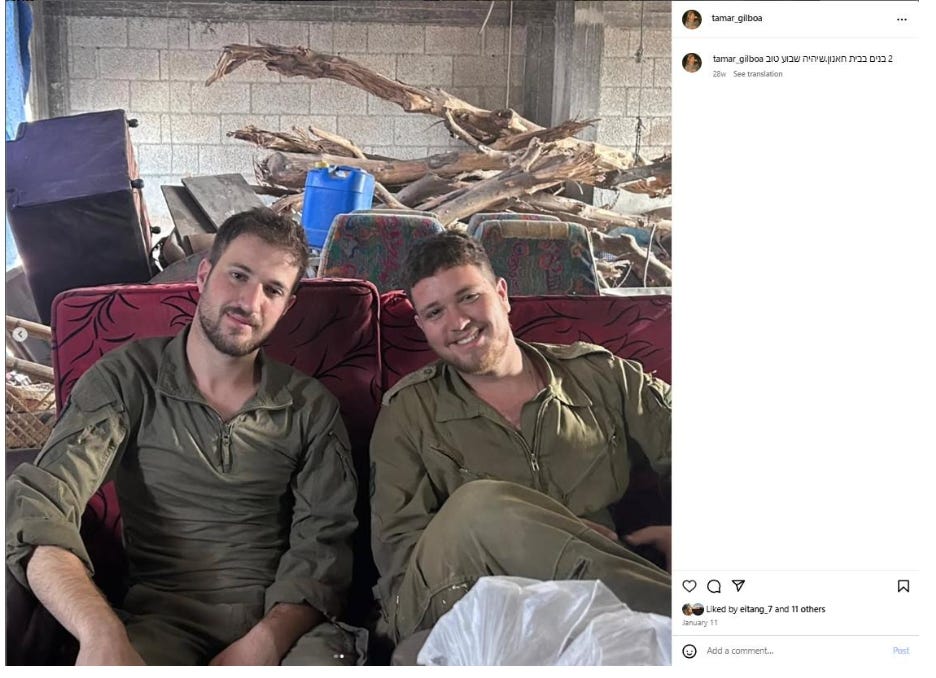
A photo of Eitan Gilboa and his sibling serving in Gaza
The First Complaint in India
On May 30, 2026, the HRF filed an urgent complaint against Eitan Gilboa with the Indian Police, the Ministry of Home Affairs, and the Bureau of Immigration of India, demanding his immediate arrest.
The complaint is one of 90-plus criminal complaints filed across 30 countries in Europe, the Americas, Asia and Africa that recognise universal jurisdiction.
India is not a proponent of universal jurisdiction.
Nor is it party to the Rome Statute, the treaty that established the International Criminal Court.
But India’s position on jurisdiction is more complex than it initially seems.
It has stated that it is against using jurisdictional obstacles as an excuse for impunity.
India enacted the Geneva Conventions Act of 1960, to implement the Geneva Conventions in domestic law.
HRF filed the complaint under this Act as well as the under Section 35 of the Bharatiya Nagarik Suraksha Sanhita (BNSS), that deals with alleged offenses committed outside India.
The BNSS replaced India’s Code of Criminal Procedure 1973 (CrPC), and, when read alongside the Geneva Conventions Act, provides a mechanism for India to enforce certain obligations arising under the Geneva Conventions.
Section 4 of the Geneva Conventions Act allows authorities, in certain circumstances, to treat offences committed abroad as though they occurred within India itself, thereby enabling legal action domestically.
Section 4 of the Geneva Conventions Act additionally allows authorities, in certain circumstances, to treat offences committed abroad as though they occurred within India, thereby enabling legal action domestically.
The HRF also filed a complaint under the Foreigners Act, which gives the Ministry of Home Affairs very wide discretionary powers to revoke visas.
India, Israel and Political Will
Given the obligations of the Indian state, the question remains: will it act?
Under Narendra Modi’s government, India and Israel have developed an unprecedented ideological and strategic partnership.
Hindutva and Zionism share ideological affinities rooted in ethno-nationalism, militarisation, demographic anxieties and the idea of the nation as belonging primarily to one people.
It is within this broader political alignment that India’s response to allegations against Gilboa would need to be understood.
Modi became the first Indian Prime Minister to visit Israel in 2017 and, in February 2026, the first to address the Knesset where he repeatedly emphasized that India stands with Israel unconditionally, now and beyond.
The military partnership forms the bedrock of the relationship.
According to an Al Jazeera investigation that peered through Israeli tax data, Israel imported roughly $885.6m worth of military-related goods between October 2023 and October 2025.
India was responsible for $230 million, or around 26 percent of the imports, making it the second-largest source after the United States.
More military-grade steel shipments from India to Israel
|
||||||
|
||||||
 |
||||||
| First published on Middle East Eye.
|
||||||
|
Customs records from 2024 also show Indian firms exporting components and munitions-related materials to major Israeli weapons manufacturers.
The likelihood, then, of Indian authorities pursuing a case against an Israeli soldier seems unlikely.
“Even if they do not take any action, let it be on the record that they were expressly made aware that this is a person accused of war crimes and they chose not to fulfill their legal obligation to act,” the lawyer told me.
The Evidence They Posted Themselves
Gilboa’s case is not unusual in that regard.
Over the course of the genocide, Israeli soldiers and their families have repeatedly bragged about their genocide in Gaza on social media, often with little expectation of consequences.
HRF said it had collected more than 8,000 pieces of evidence.
And some of that very material is now being used against them.
Even if the case would not immediately yield results, the lawyer said that documenting, publicizing and challenging that sense of impunity remains worthwhile.
“If it leads to nothing but hesitation before booking a ticket to India, that’s better than nothing,” the lawyer said.
The Psychological Afterlife of Military Service
Make no mistake, India may be a lovely holiday location for Israelis, but it has become a lot more than that.
India has become part of the psychological afterlife of Israeli military service.
In Dharamshala, in the state of Himachal Pradesh, Israeli initiatives have worked with newly discharged soldiers and travelers processing trauma, with plans to bring Israeli therapists to India.
After October 7 2023, this support network expanded again, with Israeli media reporting safe spaces, Shabbat dinners, yoga sessions and mental-health support for Israelis in Dharamshala.
The same travel circuit runs through places like Manali, Kasol, Parvati Valley and Dharamkot, often called “mini-Israel.”
HRF is in touch with the local police departments in the regions in which he is currently traveling in.
The legal team wrote to the Ministry of Home Affairs as well, asking for the revocation of his visa, and his deportation as well as his blacklisting.
So far, the authorities haven’t shown an interest in the case.
Why the Global South Matters
The Hind Rajab Foundation has increasingly focused on filing complaints in countries across the Global South.
It is in parts of Asia and Latin America that Israeli soldiers enjoy the greatest degree of impunity after serving in Gaza.
Countries such as India, Nepal, Thailand, Argentina, Peru, Colombia, Ecuador, Brazil, Chile and Mexico have become popular destinations for recently discharged soldiers, even as public awareness of their military service and potential involvement in Gaza remains limited.
India occupies a particularly important place within this landscape.
Beyond Eitan Gilboa
“The Hummus Trail is important to why this complaint matters beyond Eitan Gilboa specifically,” the lawyer told me.
“He isn’t a random tourist who happened to visit India.”
Gilboa was on a well-documented route taken by Israeli soldiers after military service.
More importantly it means India cannot treat his presence as an isolated case.
Every year, significant numbers of recently discharged Israeli soldiers travel through these same destinations, including soldiers who have served in Gaza since October 2023.
That is why, the lawyer said, the complaint seeks more than action against one individual.
It also calls for a broader policy response, including screening mechanisms for travelers with Israeli military backgrounds.
India already possesses legal tools under its immigration framework to regulate the entry and presence of foreign nationals.
“What is required is political will,” the lawyer said.
The Hind Rajab Foundation says this is just the start, it intends to continue filing complaints in India.
Whether Indian authorities act on this complaint remains to be seen.
But the complaint has already achieved one thing: it has placed the question of accountability on record.
https://azadessa.substack.com/p/a-war-crimes-complaint-comes-to-india