
By Iqbal Jassat
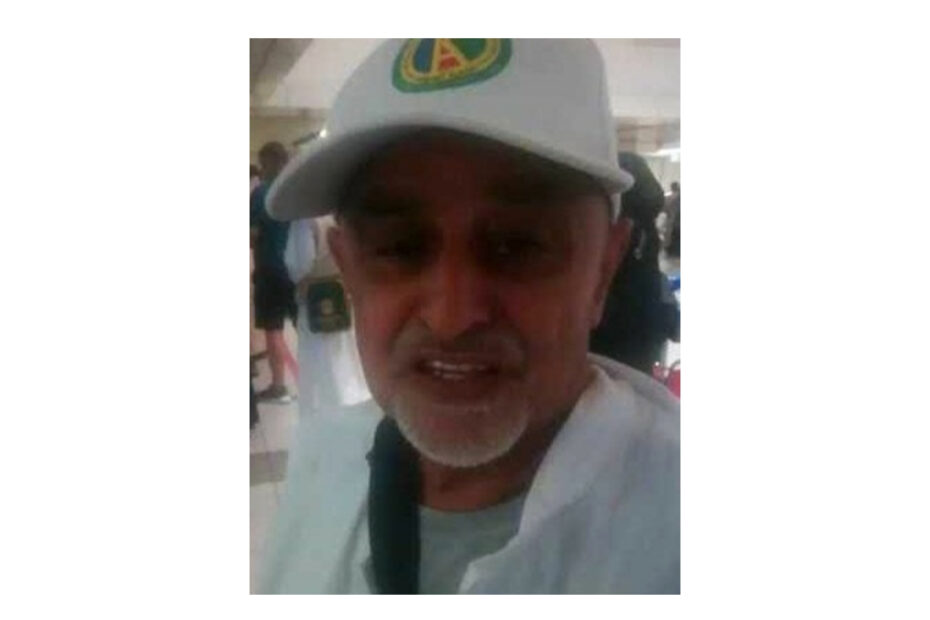
The historic turnout at his Janaza was a profound, visible testament to a life entirely spent in the service of others. From his early days as a fiery, principled activist to his later years as a compassionate servant to pilgrims, Ebrahim embodied the very essence of community leadership.
The Janaza (funeral prayer and procession) this afternoon (Sunday, August 16) of Ebrahim Abed in Lenasia saw a massive turnout of community members, reflecting deep local respect and drawing large crowds to Avalon Cemetery.
Having fallen victim to an armed robbery a day ago, Ebrahim Abed became one more casualty of South Africa’s worsening crime levels.
The news of his tragic death was met with shock and sadness for his passing not only impacted a grieving family, but also the wider community.
Ebrahim Abed’s sterling role as a community activist left an undeniable impact on the social fabric, local development, and grassroots upliftment of underprivileged via various humanitarian organisations.
Many people recall Ebrahim Abed’s dedicated service during the annual Haj. He is widely remembered as a cornerstone of his community legacy, where he acted as a vital guide, mentor, and pillar of support for South African pilgrims embarking on the journey of a lifetime.
As a Khadim (Servant) to the Hujjaj, Ebrahim Abed spent years selflessly serving, guiding, and ensuring the physical and spiritual well-being of pilgrims, whether from Lenasia or from broader South African community.
His immense efforts during the Haj season, combined with his local grassroots activism, cemented his reputation as an irreplaceable community leader.
Indeed, Ebrahim Abed’s decades of dedicated service within the Muslim Youth Movement (MYM) of South Africa formed the intellectual and foundational bedrock of his lifelong activism.
Joining the movement during a transformative era for South African Muslims, he was part of a generation that redefined Islamic engagement by directly linking faith with social justice, community development, and civic duty.
His MYM legacy is that he was part of a core team who campaigned vigorously toward a contextualized understanding of Islam, promoting critical thinking and intellectual discourse relevant to the South African socio-political reality.
Through the movement, he helped challenge traditional apolitical stances, steering youth energy toward combating systemic issues and assisting marginalized groups.
His era in the movement coincided with the birth of pivotal social institutions—such as the South African National Zakat Fund (SANZAF) under the guidance and leadership of late Dr Shaukat Thokan, — which permanently elevated structured charity and community welfare.
His decades with the MYM cultivated the very leadership skills, ideological conviction, and deep-seated empathy that later defined his legendary community work and his tireless service to the Hujjaj (pilgrims).
The shared journey of Ebrahim Abed and his wife, Fatima Madi, represented a rare and powerful partnership in Lenasia. Their distinguished credentials as scholars who studied in Mecca elevated their community work from standard civic volunteerism to a deeply rooted, scholarly practice of social justice and religious leadership.
Ebrahim Abed lived by a simple code: that the best of people are those who bring the most benefit to humanity. While his presence will be deeply missed in the streets of Lenasia and the plains of Arafat, the generations of youth he inspired and the institutions he helped build ensure that his legacy will endure.
Yet, his monumental impact cannot be separated from the shared life’s work of his beloved wife, Fatima Madi
We pray that the Almighty accepts his lifelong struggles, forgives his shortcomings, grants him the highest stages in Jannatul Firdaus, and grants his family strength and solace during this time.
Inna lillahi wa inna ilayhi raji’oon.
Iqbal Jassat
Executive Member
Media Review Network
Johannesburg
South Africa