
By Iqbal Jassat
The October 27, 2026 Knesset elections are routinely celebrated in the West as a triumph of democratic participation, yet this performance of democracy is fundamentally racist and hollow. For millions of Palestinians between the Jordan River and the Mediterranean Sea, the election is a process from which they are entirely excluded.
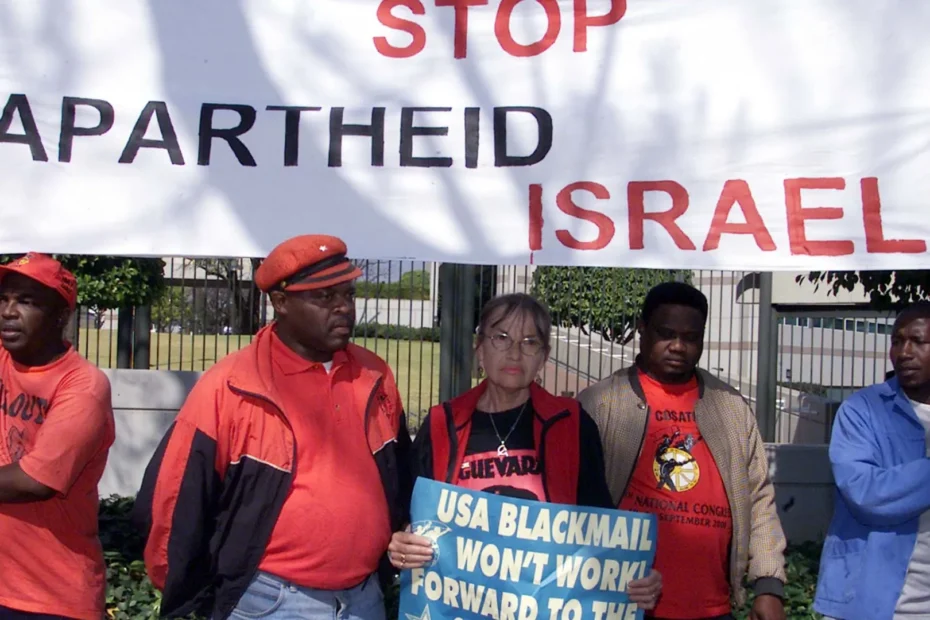
A particularly sharp structural irony of this dynamic is the active participation of white South African dual citizens. Moving from a homeland that successfully dismantled institutionalised white supremacy, these individuals have migrated to Israel, integrated into illegal settlements, and cast their ballots as a highly privileged class of voters. By doing so, they are actively importing the mechanics of racial hegemony to entrench an exclusionary regime.
For these South African dual nationals, the act of voting in the Knesset is an explicit exercise of a racial privilege denied to the indigenous Palestinian population. It mirrors the darkest eras of South Africa’s own history, where a minority electorate voted to manage, refine, and enforce a matrix of segregation.
In the Occupied West Bank, this privilege translates into state-sanctioned impunity. Ideological settlers originating from South Africa are directly participating in the displacement of Palestinian communities, the seizure of land, and coordinated acts of violence.
However, this domestic political alignment carries severe, compounding legal vulnerabilities under South African law.
The South African government has maintained a strict stance on the participation of its nationals in foreign conflicts, particularly when those operations violate international humanitarian law.
South Africans operating within the Israeli apparatus face substantial legal liabilities:
- The Foreign Military Assistance Act: South African law explicitly prohibits its citizens from rendering any foreign military or operational assistance without the express permission of the National Conventional Arms Control Committee (NCACC). Because the South African Ministry of Defence has never authorized deployment to the Israeli Defence Forces (IDF), any citizen serving in these ranks is operating illegally and faces criminal prosecution upon return.
- The South African Citizenship Act: Under national legislation, the state holds the authority to revoke South African citizenship from individuals who engage in military actions under the flag of another country in a conflict that the Republic does not support.
- Universal and Extraterritorial Jurisdiction: Through the implementation of the Rome Statute Act 27 of 2002, South African courts possess the mandate to investigate and prosecute its nationals for international war crimes, crimes against humanity, or acts of genocide committed abroad. Under this framework, obeying “superior orders” or operating under the authority of a foreign state does not constitute a valid legal defense.
The upcoming Knesset election does not represent a democratic crossroad; it serves as a mechanism to legitimise an expansionist state. For privileged voters from South Africa, casting a ballot to maintain this system does more than expose a profound historical contradiction. It places them in direct violation of the constitutional and legal frameworks of their home country, which is actively seeking accountability for these exact crimes on the global stage.
Iqbal Jassat
Executive Member
Media Review Network
Johannesburg
South Africa