

Iqbal Jassat
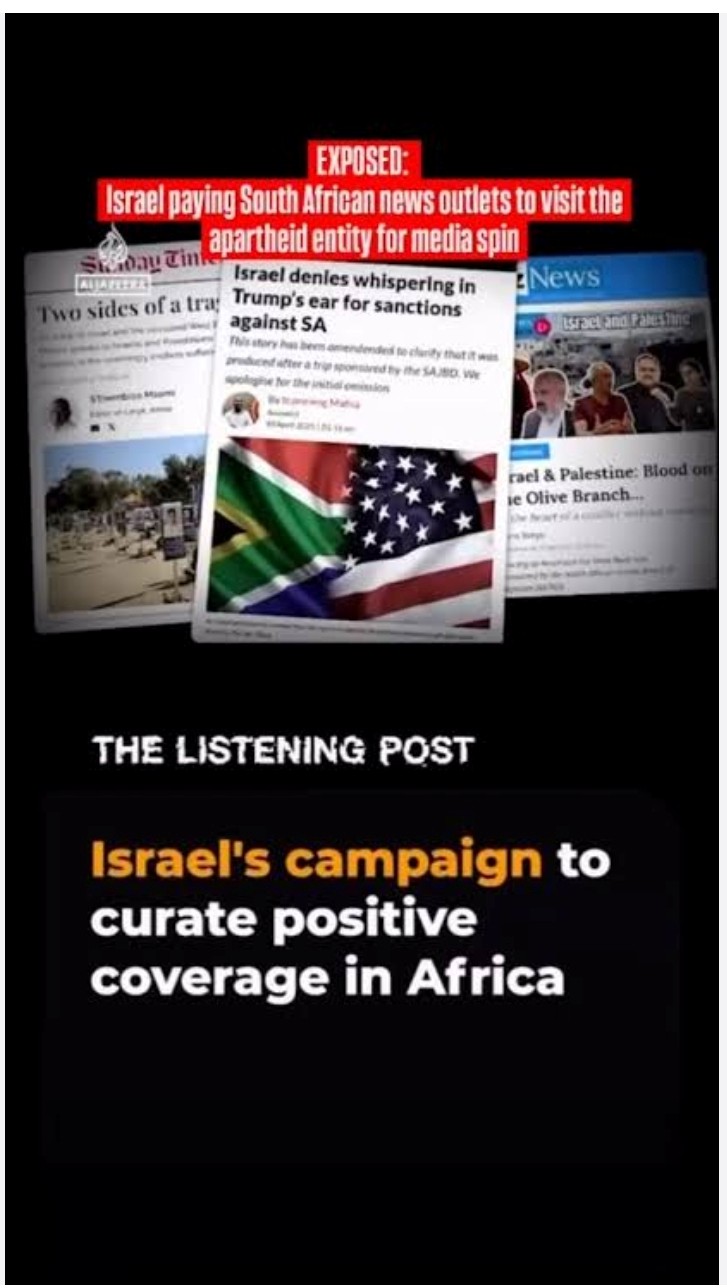
The controversy surrounding non-disclosures by South African journalists who participated in a freebie junket to the apartheid regime of Israel sponsored by the South African Jewish Board of Deputies (SAJBD) has not died.
It is very much alive and for good reason for having placed the spotlight on why and how pro-Israeli lobby groups operate in advancing the Zionist regime’s agenda.
A crucial element that gave rise to the public debate on the ethics of journalism, particularly as it relates to the coverage of Palestine, resulted from the probe by well known unionist and media activist Hassen Lorgat.
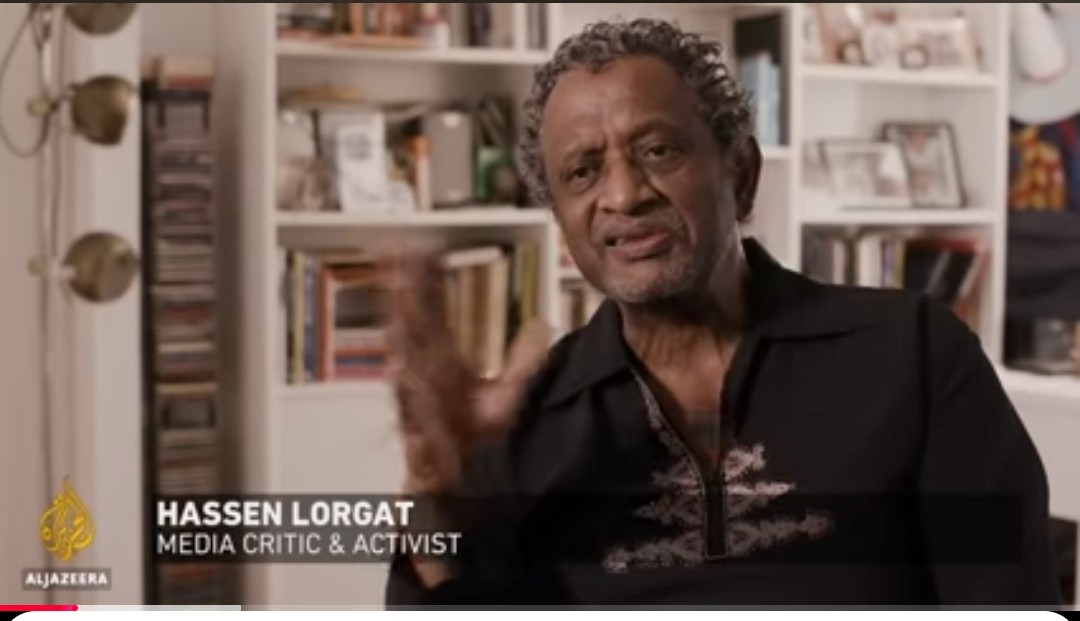
His determination to uncover the source of sponsorship for journalists from the Sunday Times, Citizen and Biznews, was initially met by stubborn obdurance.
Persistent prodding by Lorgat finally yielded results that not only scored a huge victory for overcoming obdurance, but also led to a humiliating acknowledgement by the editors of the three titles.
The ensuing debate has correctly centered on media ethics and integrity of news coverage.
What SAJBD had hoped to score ended in embarrassment. The exercise undertaken by the journalists revived memories of apartheid-era scandals.
Media scandals during that notorious era were defined by state censorship, intense propaganda, and clandestine operations to influence global opinion.
The most significant was the 1978/79 Muldergate Scandal, which exposed secret government projects using public funds for propaganda and bribery.
The apartheid regime funded projects such as the “Club of Ten,” a front that took out advertisements in international newspapers to argue for the benefits of apartheid. They also bribed foreign journalists and politicians to promote a positive image of South Africa.
State broadcaster SABC systematically distorted news, while “Black Wednesday” (1977) marked the banning of newspapers and detention of journalists.
Thanks to Lorgat’s assiduous efforts, a can of worms has opened up.
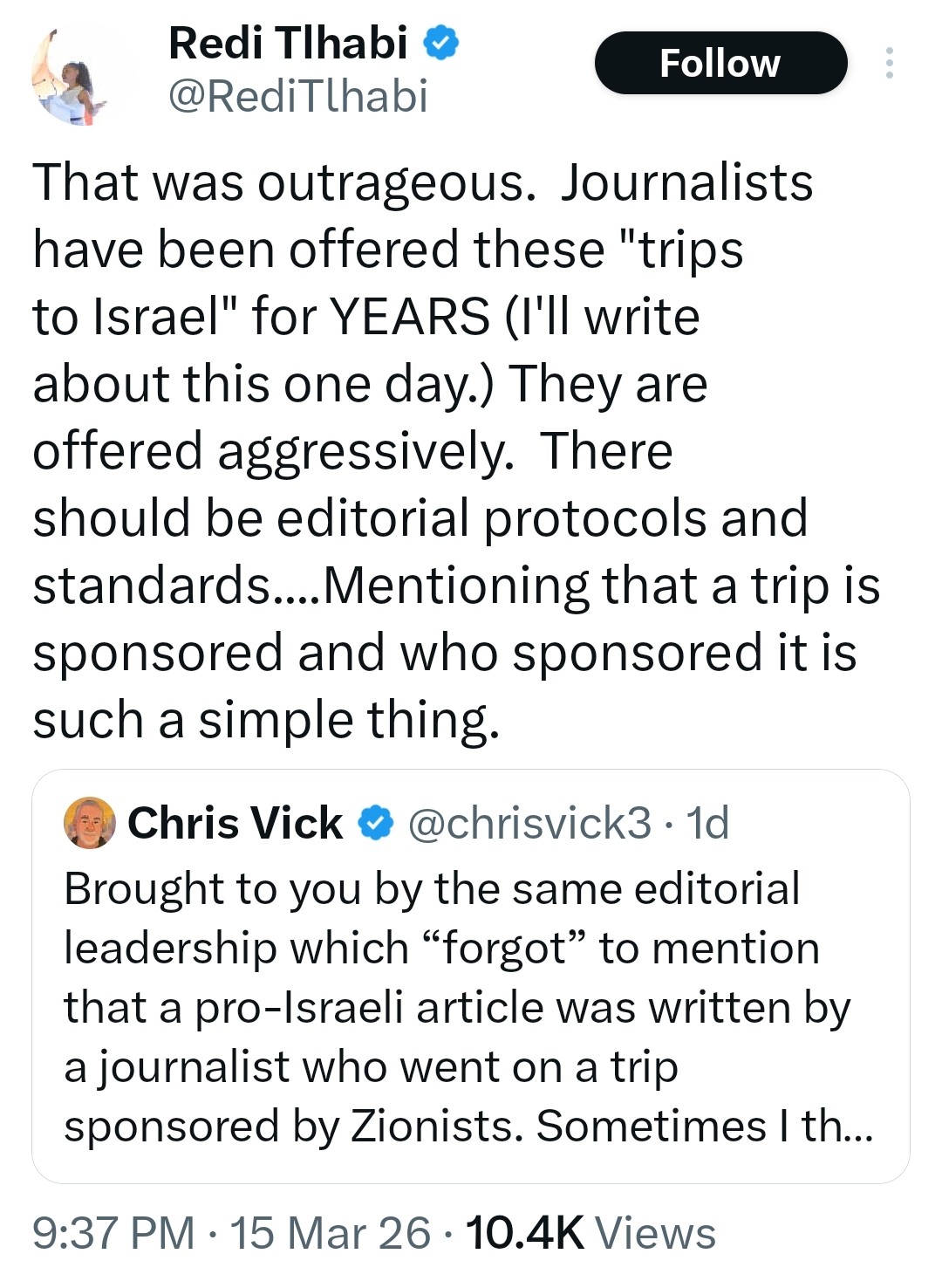
Redi Tlhabi has publicly shared her personal experiences with pro-Israel lobbying efforts directed at journalists, particularly in the South African context.
This came up recently in a thread on X (around March 15–16, 2026), sparked by Chris Vick’s criticism of undisclosed sponsored trips in media coverage.
In response to discussions about journalists accepting or being offered sponsored trips to Israel by SAJBD or SA Zionist Federation (SAZF) — often framed as familiarisation or study tours — Tlhabi described her own encounters: She stated that such “trips to Israel” have been aggressively offered to journalists for years.
Invitations began gently when she was at the SABC (starting around 2002), using flattery such as being told how “amazing” she is and that she’d “enjoy visiting Israel”.
One person reportedly followed her to book launches with persistent, ego-stroking approaches.
The tone shifted to aggression after she criticized the treatment of Judge Richard Goldstone following his 2009 UN report on Gaza, which accused Israel of possible war crimes; he faced intense backlash from pro-Israel groups in SA.
Tlhabi has consistently declined these invitations, emphasizing they are designed to promote a one-sided pro-Israel perspective and often patronize critics as “ignorant” or “ill-informed.”
She stressed the need for editorial protocols requiring disclosure of sponsorships when relevant, calling non-disclosure “outrageous” and a simple fix for transparency.
This aligns with her broader public stance on the Israel-Palestine issue: She has hosted/interviewed critics of Israeli policies on Al Jazeera’s UpFront, including discussions on Gaza, ICJ cases, and lobbying influence.
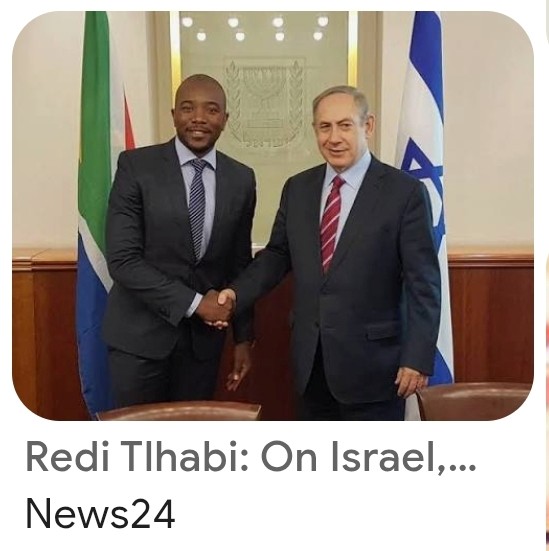
In older writings she described being “lobbied and blackmailed” to view the conflict solely from one side, receiving floods of pro-Israel materials, books, documentaries, and coffee invitations after critical comments.
She rejects conflating criticism of Israel with antisemitism and highlights solidarity with Jewish voices opposing occupation or war.
These sponsored trips are a long-standing point of debate in journalism ethics globally and in SA, amid ICJ genocide proceedings and Gaza coverage.
Whether lessons have been learned may not be evident as yet. But that the debate is wide open and ongoing, provides hope that South African journalists will avoid being lobbied to whitewash Israel’s horrendous policies of racism, ethnic-cleansing, genocide and unjust wars.
Iqbal Jassat
Executive Member
Media Review Network
Johannesburg
South Africa