
By Iqbal Jassat
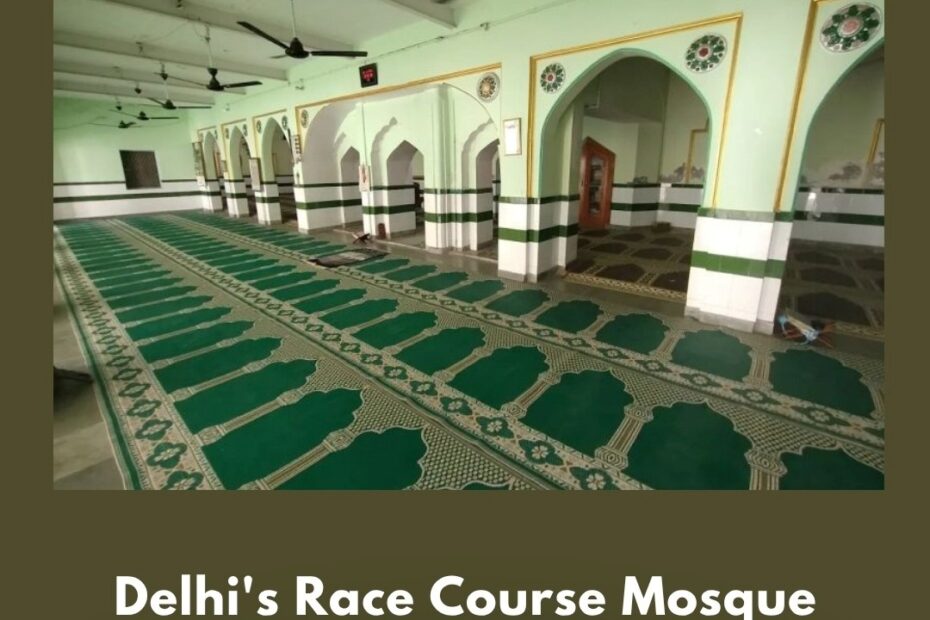
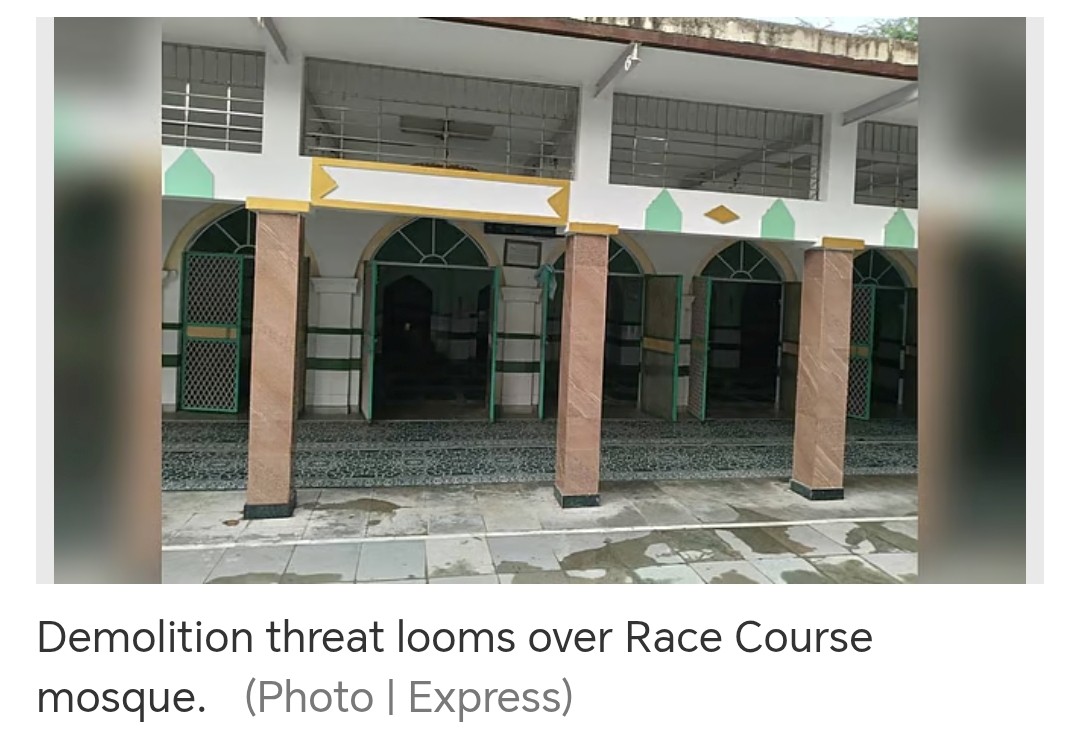
The recent eviction notice served to the historic Race Course Mosque in New Delhi—a structure situated mere steps from Prime Minister Narendra Modi’s official residence—has reignited a fierce global and domestic debate over urban space, heritage, and minority rights in India.
To the Land and Development Office (L&DO), the directive was a routine administrative matter: a six-day notice to vacate an “unauthorised” structure built on government land.
To human rights organizations, legal scholars, and India’s Muslim minority, however, the incident is viewed as another chapter in a systematic campaign aimed at erasing Islamic heritage under the banner of municipal governance.
Imam Mohammed Haroon, who has been associated with the mosque for nearly 40 years, said in a video circulated on social media that the mosque’s electricity and water connections had been disconnected and all gates closed by the L&DO, reported The Indian Express.
Analysts tracking the region note that what once appeared to be isolated municipal actions have coalesced into a distinct pattern.
According to data compiled by independent watchdogs, including a comprehensive study by the Millat Times, over 2,000 administrative actions involving Muslim religious and community properties were documented between 2020 and 2026.
This trend peaked dramatically during a 45-day window in mid-2026, when at least 23 mosques, madrasas, and shrines were partially or fully dismantled across states such as Uttar Pradesh, Gujarat, Maharashtra, and Delhi.
Critics argue that these actions heavily fuel the widely held international view that the ruling Bharatiya Janata Party (BJP) harbors an anti-Islam agenda.
The core of this argument rests on the concept of selective enforcement.
Not surprisingly, human rights groups allege that municipal bulldozers are deployed with an asymmetric frequency and speed against Islamic sites, while similarly situated structures belonging to the majority faith are often granted regularisation, deferred action, or legal protection.
Furthermore, opponents emphasize that many of the targeted sites are not recent encroachments but centuries-old heritage landmarks.
The Race Course Mosque, for instance, is officially listed among heritage properties on the New Delhi Municipal Council (NDMC) website, and representatives maintain that a 2021 survey found no evidence of illegal encroachment.
Similarly, the 2024 demolition of the Akhoondji Masjid in Delhi and the removal of a 600-year-old mosque in Ujjain to make way for a Hindu pilgrimage route are cited by historians as evidence that ancient cultural footprints are being systematically erased.
This process, critics argue, aligns closely with the broader political ideology of Hindutva (Hindu nationalism), which seeks to de-emphasize India’s multi-faith past in favor of a majoritarian national identity.
A significant point of contention is the apparent bypassing of due process. United Nations Human Rights experts have repeatedly voiced alarm over India’s “bulldozer justice,” noting that many evictions and demolitions are executed with minimal advance warning.
In the case of the New Delhi mosque, basic utilities like water and electricity were disconnected weeks before the formal eviction notice expired, severely curtailing the community’s ability to seek timely judicial intervention.
Surely one cannot be faulted in believing that the law is being weaponized rather than enforced.
Ultimately, the debate over India’s mosque demolitions reflects a deeper struggle over the nation’s democratic fabric.
While authorities defend these measures as essential steps toward urban renewal and the neutral application of property laws, the speed, scale, and specific targeting of historical Islamic sites continue to draw international condemnation.
As historic structures vanish from the capital’s landscape, the pattern reinforces an uneasy conclusion for observers worldwide: that under the guise of municipal order, the physical markers of India’s Muslim identities are being permanently eliminated.
Iqbal Jassat
Executive Member
Media Review Network
Johannesburg
South Africa