
By:Hamidreza Oraee
The fragile ceasefire between Iran and the United States continues to hold, yet tensions in the region remain high and the atmosphere is still shaped by deep mistrust. Although direct military confrontation has temporarily subsided, diplomatic engagement between the two sides has not stopped. Messages continue to be exchanged through indirect channels, reflecting both the seriousness of the crisis and the understanding that further escalation would carry dangerous consequences for the entire region. USA admitting it’s mistake to enter a war on behalf of Israel now trying to drag itself out of the quagmire.
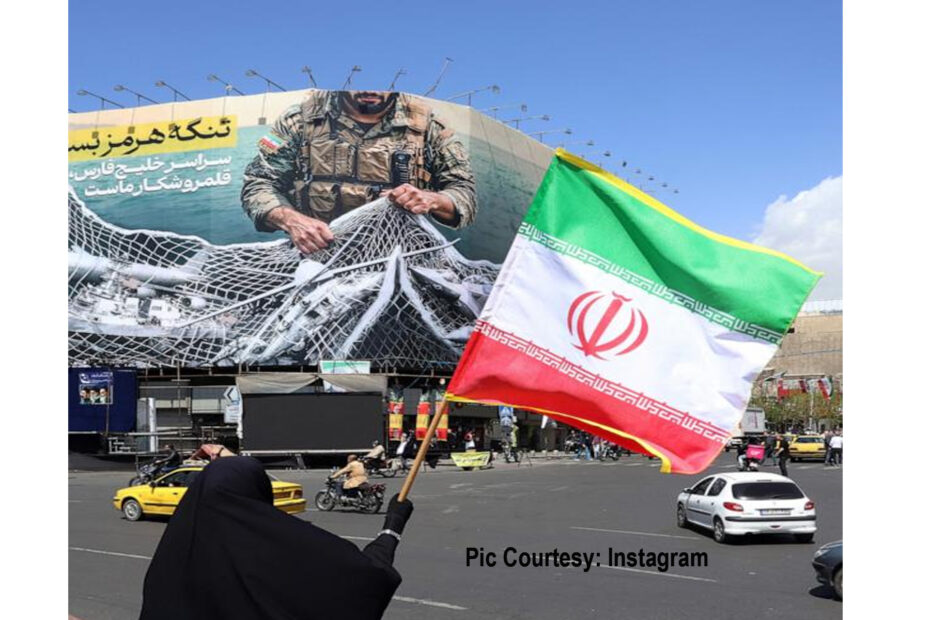
Iran approaches these developments with caution and vigilance. The bitter historical experience of broken promises and failed commitments by the U. S. administration has left a deep impact on Iranian strategic thinking. For this reason, while diplomatic communication continues, Iran remains fully prepared in the military sphere. Iranian defense forces maintain maximum readiness and alertness against even the smallest act of aggression. The message from Tehran is clear: any new military miscalculation by hostile actors would be met with a decisive and powerful response.
At the same time, Iran continues to emphasize that resilience is not limited to military preparedness alone. Unlike its adversaries, Iran sees itself as a nation constantly learning, adapting, and advancing in all fields. Years of sanctions, pressure campaigns, threats, and isolation efforts, as well as military attacks, have not stopped Iranian scientific, technological, industrial, and strategic progress. Instead, many in Iran believe these pressures have strengthened the country’s determination to rely on domestic capabilities and national unity.
The current regional environment has also highlighted the importance of diplomacy among neighboring states. Friendly countries such as Pakistan, Qatar and Oman have played important mediating roles aimed at preventing wider conflict and encouraging dialouge. Now that I am writing the article Pakistani officials are in Tehran. Their efforts reflect a broader regional understanding that security and stability in West Asia cannot be achieved through foreign military presence or outside intervention.
Iran’s vision for the region is rooted in the concept of collective regional peace. One of the main priorities of Iran’s foreign policy has always been maintaining good and constructive relations with neighboring countries. Tehran consistently argues that the peoples and nations of West Asia possess the ability, resources, and historical depth necessary to secure their own future without dependence on external powers. According to this perspective, the continued presence of foreign actors has often contributed to instability, division, and conflict rather than peace. Regional cooperation, mutual respect, and dialogue among neighboring countries are therefore viewed as the only sustainable path toward long-term stability.
Recent events have also reshaped global perceptions of Iran among many ordinary people around the world. Over the past days, Iran has gained significant attention because of the courage, endurance, and steadfastness of its people in the face of immense pressure. For all, these developments demonstrated that a nation can resist intimidation and maintain its dignity even under the most difficult circumstances.
This sense of resistance is deeply connected to Iran’s political and historical identity. Many Iranians see themselves as a people who do not bow before injustice or coercion. Throughout modern history, Iran has repeatedly faced external pressure, sanctions, threats, and attempts at political isolation. Yet despite these challenges, the country has maintained its sovereignty and independence. This persistence is a source of national pride and international respect.
At the heart of Iran’s foreign policy discourse also remains the question of Palestine. Iranian continue to support for the Palestinian cause as both a moral and political responsibility. Tehran repeatedly states that it will remain loyal to the legitimate right of the Palestinian people. In this narrative, standing with Palestine is not merely a temporary political slogan but part of a broader commitment to justice and opposition to occupation and oppression. Iran also continues to condemn Israeli crimes against Palestinians, including the killing of civilians, destruction of homes, and attacks on women and children in Gaza.
We believe that history ultimately judges nations and governments not by their military power alone, but by the principles they defend during moments of crisis. This is why phrases such as “standing on the right side of history” have become central to Iranian political messaging in recent years. For us, resistance against pressure and continued support for Palestine are viewed as part of a larger historical struggle over dignity, sovereignty, and justice.
Whether one agrees or disagrees with Iran’s policies, there is little doubt that the country has become one of the central actors shaping the political future of West Asia. The recent confrontation and its aftermath have once again shown that the region’s destiny cannot be decided by military force or foreign intervention. The voices, resilience, and choices of the peoples of the region remain decisive.
As the fragile ceasefire continues and diplomatic channels remain active, the future remains uncertain. Yet one reality has become increasingly clear: the story of resistance, endurance, and regional self-determination is being written in real time, and its impact will likely be remembered for generations to come.