
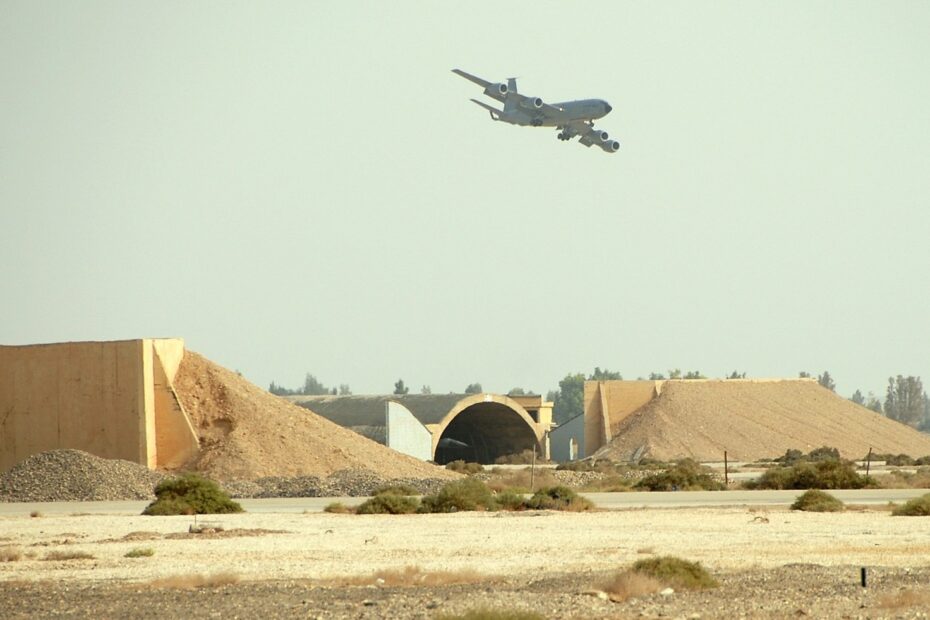
Jordan’s role in the latest confrontation between Israel and Iran exposes a reality that much of the regional media landscape prefers to avoid.
Reports indicating that Israeli aircraft used Jordanian airspace to strike Iran place Amman at the centre of a conflict it publicly distances itself from. While official narratives continue to frame Jordan as a neutral actor focused on regional stability, the strategic realities tell a different story. Military cooperation, intelligence coordination and airspace access are not administrative details. They are political decisions with geopolitical consequences.
What remains largely ignored is how certain Arab governments have become integrated into a regional security architecture that increasingly aligns with Israeli and Western strategic objectives. The language of security cooperation is used to normalise relationships that would have been politically unthinkable a generation ago.
The beneficiaries extend beyond Tel Aviv. Washington’s long standing regional security doctrine relies on a network of allied states willing to facilitate military and intelligence operations while maintaining the appearance of diplomatic distance. This arrangement protects power structures while shielding them from public scrutiny.
The pattern is familiar. Public solidarity with regional causes is maintained through speeches and statements. Behind the scenes, military coordination, intelligence sharing and strategic cooperation continue uninterrupted. The gap between rhetoric and reality has become one of the defining features of contemporary Middle Eastern politics.
The issue is not simply the use of airspace. It is the broader architecture of regional alignment that continues to reshape the political landscape while remaining largely hidden from public debate.
The evidence speaks for itself.